
Chris Preece, on the record
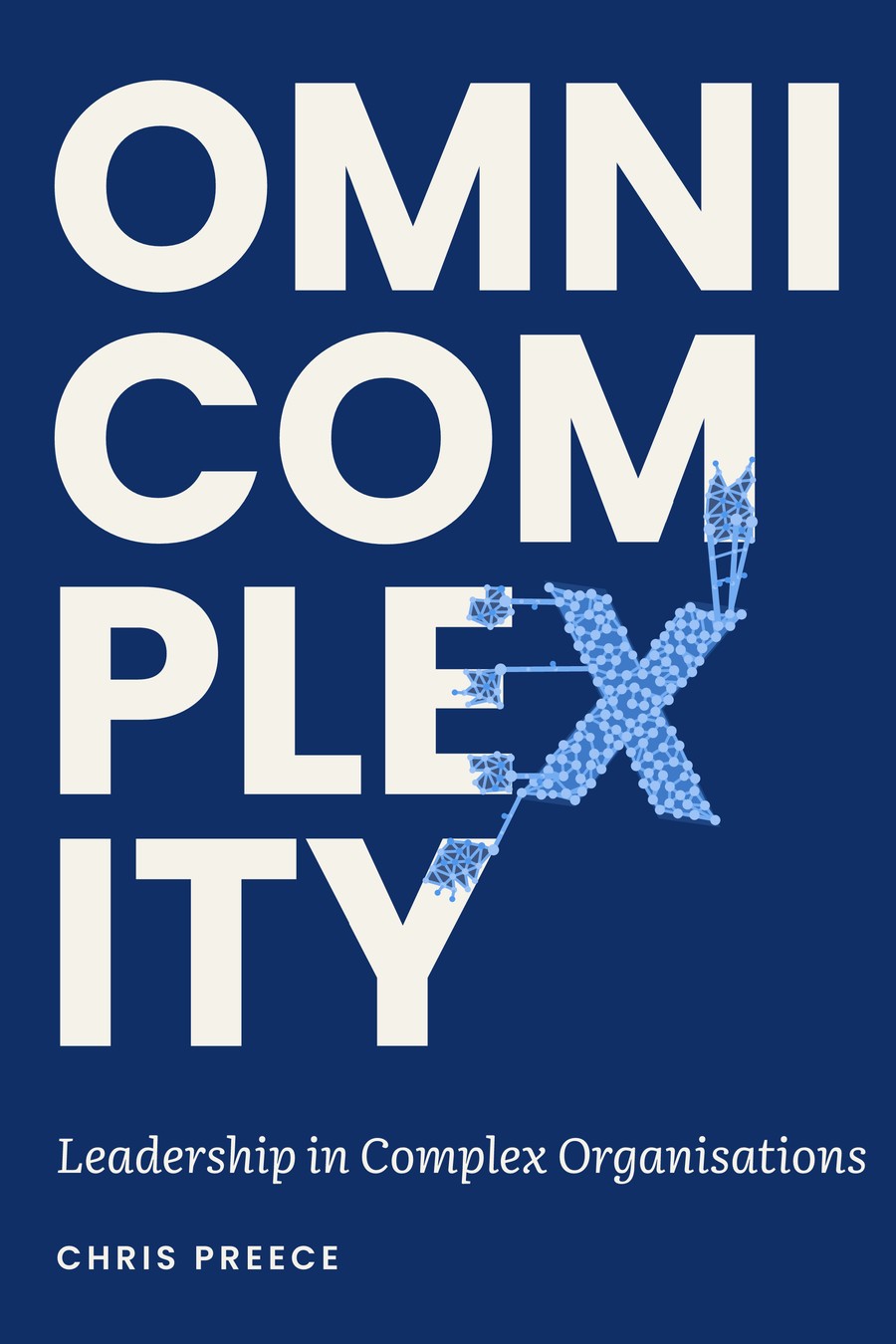
Omnicomplexity: Leadership in Complex Organisations. There is no framework here and nothing to score. The stories carry the book, and the Going Deeper essays put named scholarship under every claim.
What follows is ready to lift: two bios, the topics Chris talks about, the facts a fact-checker can stand on, and the cover and headshot to download. For interviews, contact us below.
Chris Preece, in short
Chris Preece makes his living helping organisations of every kind see the work that holds them together. He has spent decades leading change in emergency services, national programmes and UK central government. When the pandemic locked Registers of Scotland out of its paper, he was one of the people inside the rebuild: paper to digital, end to end, in three weeks, keeping Scotland’s housing market moving. Omnicomplexity is his first book.
The longer version
Chris Preece has spent decades leading change in emergency services, national programmes and UK central government. Of his years in the fire and rescue market, where a bad decision is measured in lives: “We helped take the product from a sixth of the UK market to a third, and we beat the established suppliers at it,” he says.
When the March 2020 lockdown closed the offices of the oldest national public land register in the world, he was one of the people inside the rebuild: a centuries-old paper operation went digital, end to end, in three weeks, keeping Scotland’s housing market moving. He founded Omnicomplexity Ltd in London. Omnicomplexity is his first book.
What Chris can talk about
The three weeks
A centuries-old land registry, locked out of its own paper by the March 2020 lockdown, working a new way end to end in three weeks, work that ten years of plans had written off as too expensive, too risky, too complex.
Nobody transforms anything
Transformation programmes are recipes written for somewhere else, and they stop working when they arrive. What worked at the registry was conditions changing for everyone at once.
Who is really holding it together
Nothing runs like clockwork. What looks like clockwork is people quietly spotting problems and fixing them before anyone hears about them. That work is invisible, it is not free, and it is paid for with your people’s capacity to respond when something unexpected happens.
The green student and the heatproof gloves
A second-year student asked a room of senior fire officers whether he could ride in a moving fire engine. The ride exposed why every screen in the market failed a gloved hand, and the product pulled ahead.
Stop calling people resources
Taylor’s factory language survives in resources, utilisation and capacity, and it still does what it was built to do: make people plannable as interchangeable parts.
Decisions belong where the facts are
You cannot command and control a crew in a burning building. Decisions devolve to whoever can see what is happening. In the years before the pandemic rebuild, the registry gave its own case handlers the authority to decide, and complex casework went from eighteen months to under thirty days.
The Registers of Scotland numbers
These figures are quotable. On 23 March 2020 the oldest national public land register in the world was locked out of its own paper. Three weeks later it was working end to end with staff at home across the country, and digital submissions rose from 38 per cent to 94 per cent inside a year. In the years before the crisis, the same institution had moved to cross-functional team working, and complex casework that had taken eighteen months began finishing in under thirty days, with nobody working harder or longer.
Chris was one of the people inside that rebuild. Palo Alto Networks published a customer case study of its own in March 2023; it covers the three weeks and the 38 per cent to 94 per cent rise.
Omnicomplexity
Nothing in your organisation runs like clockwork. The monthly reporting that always lands. The project that stays on track. The process that never seems to fail. Behind each one, people are quietly spotting problems and fixing them before you ever hear about them. That work is invisible, and it is not free. It is paid for with your people’s capacity to respond when something unexpected happens. Most leaders spend that capacity without knowing it exists. This book shows you how to spend it well. There is no framework here and nothing to score. There are ways of looking anew at your work: where decisions belong in your organisation, who can actually change the rules that slow your teams down, how to spot a doomed change before it costs you money, and what to try with your own teams next week. The stories carry the book, and the Going Deeper essays put the scholarship under every claim.
Recording, and what Chris will not do
Remote recording, UK time, and Chris supplies his own audio. The stories are first-hand, and the figures come from engagements he led and from his own records, as disclosed in the book's sources note.
What this guest will not do: defend a framework, score anyone's maturity, or pretend the pandemic was the active ingredient. The registry had already cut eighteen-month casework to under thirty days before the crisis, and he will happily be pushed on that.
Assets
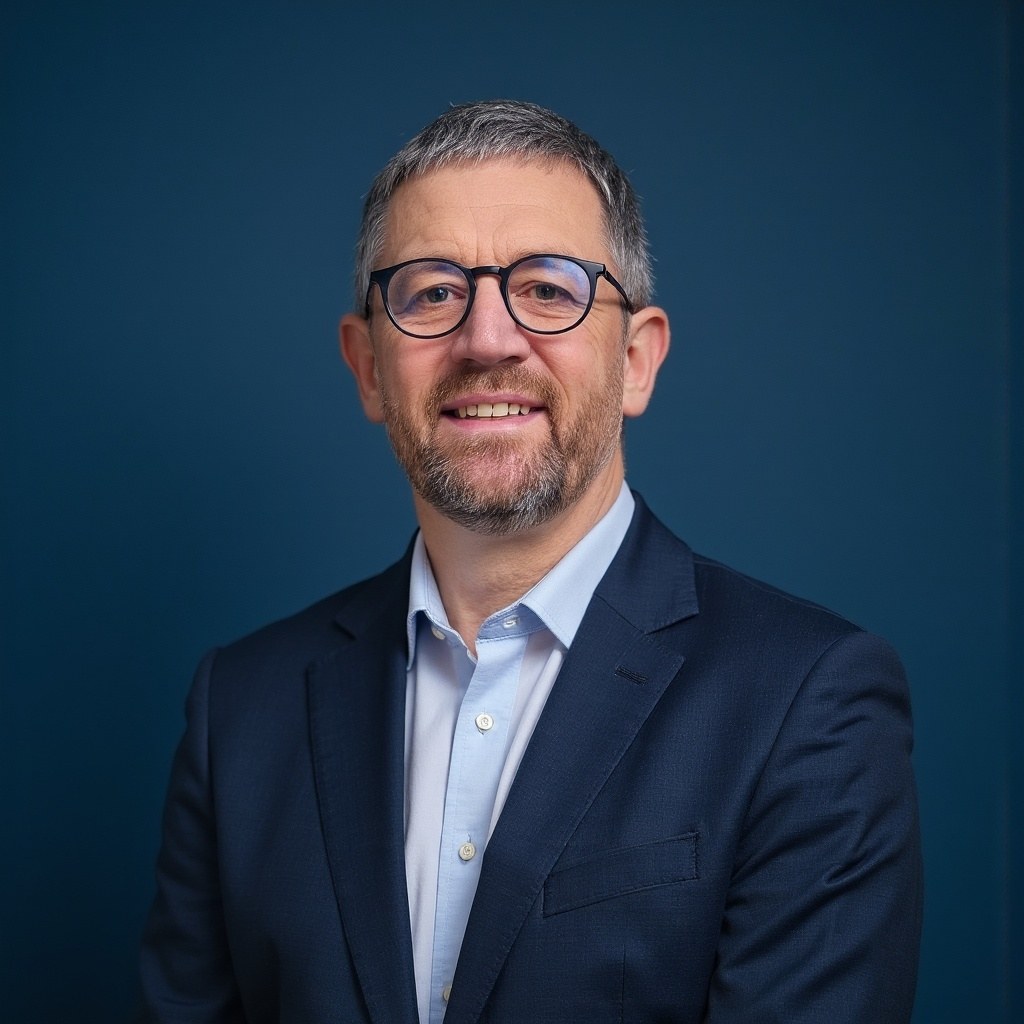
The cover and a headshot, ready to use. Right-click to save, or open and download. The cover downloads as a print-resolution file, 2004 by 3006 pixels.
Get in touch
For podcast bookings, interviews or review copies, leave your details and we will reply. You can also email info@omnicomplexity.com directly.